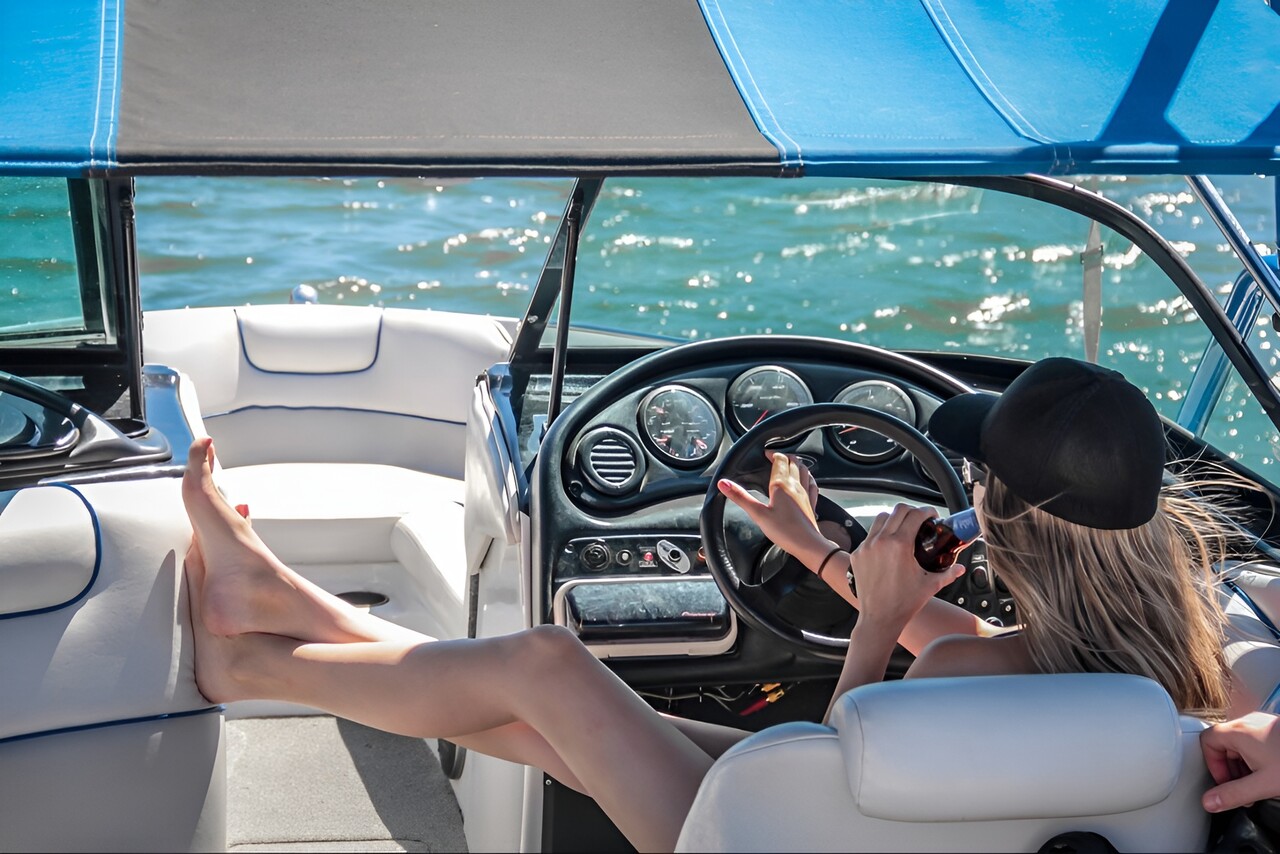
Saving Fuel While Boating

Don’t skimp on adventures—save on fuel: Discover the best tips to reduce fuel costs while boating and fully enjoy your time on the water.
Boating is a wonderful way to enjoy nature and experience adventures on the water. However, high fuel costs can diminish this joy. Fortunately, there are several ways boaters can save fuel through driving habits and minor technical adjustments without sacrificing the fun of sailing or motorboating. Here are some effective tips and tricks to enhance efficiency while boating and reduce fuel expenses.
Optimized Driving Habits
Slow Driving: The speed at which the boat travels has a significant impact on fuel consumption. Reduce speed to a minimum to decrease resistance and lower fuel usage. The slower the boat moves, the less energy is needed to keep it on course.
Light Load: Avoid overloading your boat. Every additional weight requires more energy, increasing fuel consumption. Remove unnecessary items and store anything you don’t need securely.
Avoid Short Trips: Only start the engine when it’s truly necessary. For short distances, let the boat sail to save fuel and protect the environment.
Maintenance: Regular engine maintenance is crucial for efficient operation. Check the engine oil level, air filters, and spark plugs regularly. A well-maintained engine runs more efficiently and uses less fuel.
Technical Adjustments and Improvements
Propeller Optimization: A well-chosen propeller can significantly reduce fuel consumption. Propellers with lower RPMs and more efficient designs improve performance and reduce fuel usage.
Trim Control: Adjusting the boat’s trim system affects its lift and resistance in the water. Proper trim adjustments can help optimize fuel consumption.
Energy-Efficient Navigation: Navigate efficiently by choosing the shortest routes and avoiding obstacles. Good route planning can eliminate unnecessary turns and excessive fuel consumption.
Float Strips and Displacement Boats: For sailboats, specialized float strips can minimize resistance and enhance efficiency. For displacement boats, selecting an optimal hull design can help reduce fuel usage.
Fuel Strategies
Low-Ethanol Gasoline: Choose gasoline with a low ethanol content. Ethanol burns faster and can increase fuel consumption. For older engines, it’s often better to use gasoline with no or low ethanol content.
Trim Speed and RPM: Avoid high RPMs at low speeds. Reduce RPMs to a level that maintains the desired speed range while optimizing fuel consumption.
Frequent Fuel Checks: Keep the fuel tank sufficiently filled to minimize condensation and prevent microorganism growth, which can increase fuel consumption.
By combining optimized driving habits with minor technical adjustments, boaters can significantly reduce their fuel costs while ensuring a more eco-friendly operation. With a bit of planning and care, you can navigate efficiently on the water and fully enjoy the joys of boating.


Anyone looking to sell their boat is faced with a crucial question right from the start: what is a realistic price? An asking price that is too high can put off potential buyers and unnecessarily prolong the sale. On the other hand, setting the price too low could mean you’re giving money away. A well-founded valuation will therefore help you present your boat in the best possible light and go into negotiations well prepared.
Read more How much is my boat worth?
Anyone wishing to sell their boat should give prospective buyers as clear a picture as possible right from the advert. Good photos attract attention, whilst precise details help them to assess the offer. Together, they make it easier for potential buyers to decide whether it’s worth arranging a viewing. You should therefore spend just as much time on the presentation as you do on preparing the boat.
Read more Selling a boat: What photos and details will win over potential buyers?
For many people, buying a yacht is a long-cherished dream, but it is precisely in the heat of the moment that mistakes are often made which can prove very costly later on. Find out here what you should look out for.
Read more The most costly mistakes when buying a yacht
Yachting has long been viewed as a luxury reserved for those who can afford high purchase prices and ongoing costs like crew, insurance, and maintenance. Shared yacht ownership is changing that, making the experience more accessible, practical, and enjoyable.
Read more Shared Yacht Ownership Advantages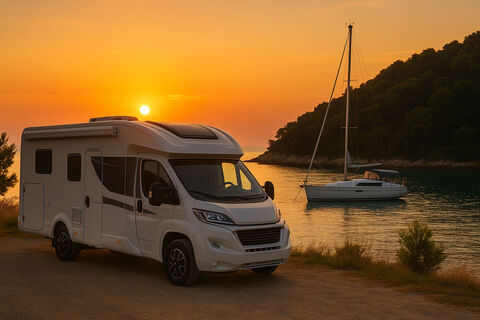
Anyone looking for real freedom when planning a holiday often asks themselves the question: should it be a motorhome or a boat? We have summarised the most important advantages and disadvantages of both options for you.
Read more The comparison: boat or motorhome
Who doesn’t dream of having their own boat? Many water sports enthusiasts share this fascination. However, in addition to the purchase price, there are numerous other costs that are often underestimated. To ensure that your pleasure on the water doesn’t turn into a financial disaster, it’s worth calculating all the costs in advance.
Read more Buying a boat: what costs need to be factored in?
A luxury hobby! What costs should I expect if I want to buy a boat? Owning a boat is a dream for many - freedom on the water, the wind in the sails or the gentle hum of the engine. But before the dream becomes reality, prospective boat owners should carefully analyse the financial aspects of this luxurious hobby. From the purchase to the running costs, there are numerous factors to consider.
Read more Luxushobby Boot
Are you searching for the cheapest mooring options in Europe? We're here to provide you with valuable tips to help you discover the most cost-effective solutions.
Read more Cheapest Mooring s in Croatia, Greece, Spain, Holland and Turkey